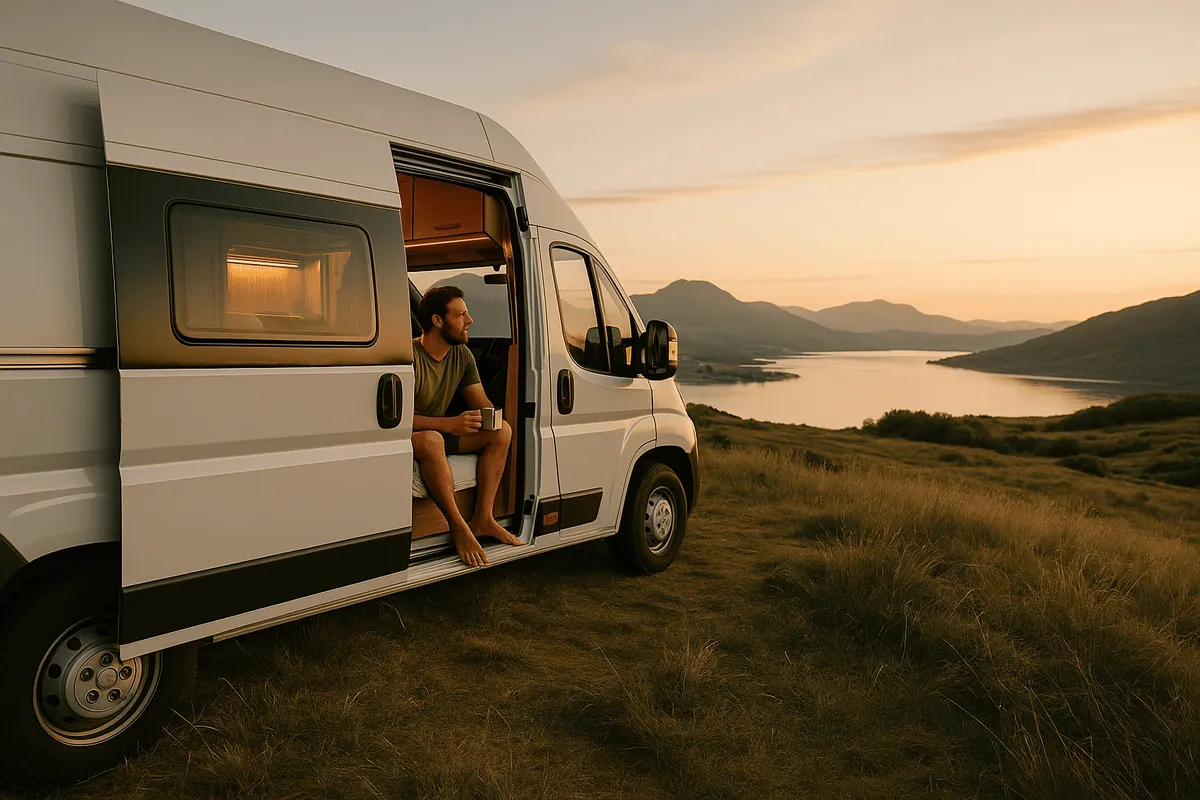
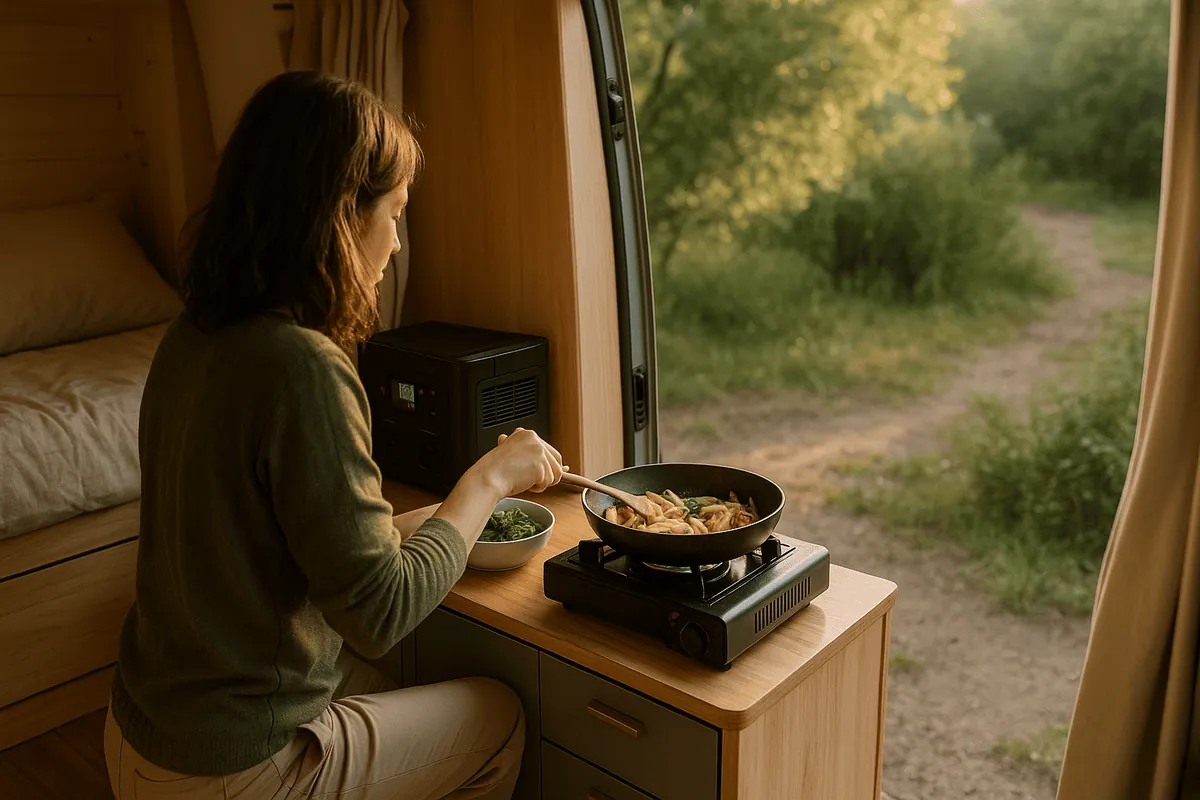
The freedom of travelling by motorhome shouldn't have barriers. More and more people with reduced mobility are discovering that a camper is a wonderful way to travel, precisely because you bring your adapted space with you: your bathroom, your bed, your familiar surroundings. With the right adaptations and a bit of planning, travelling by motorhome with reduced mobility is entirely possible. Here are the key points.
Vehicles and adaptations
Adapted motorhomes and vans exist, either from the factory or through approved conversions. The most common adaptations:
- Ramp or lift platform for wheelchair access.
- Spacious interior and obstacle-free layout for moving around.
- Adapted bathroom with grab bars and enough space.
- Accessible bed and, if needed, transfer systems.
- Adapted driving controls if the person drives.
Any conversion must be approved and recorded on the vehicle's registration documents (see getting a conversion approved).
Planning the trip with accessibility in mind
- Accessible sites and campsites: find out which ones have adapted facilities (toilets, showers, firm ground). Not all of them are.
- Accessible destinations: prioritise places with good accessibility (level walkways, accessible beaches, adapted transport).
- No rush: generous time margins and short stages for comfortable travel.
Technology, a great ally
An easy-to-manage setup makes a real difference. Being able to control the power, the heating, or disconnect the battery from your phone, without having to reach awkward places, makes life on board much easier. App-controlled batteries, like Upcyon's, let you manage and monitor your power comfortably from your phone (see the control app).
Resources and community
There are associations, companies specialising in adaptations, and communities of travellers with reduced mobility who share experiences, routes and accessible places. Leaning on those who already travel this way is enormously useful (see the camper community).
In summary
Travelling by motorhome with reduced mobility is possible with an adapted (and approved) vehicle, by planning accessible destinations and sites, and by relying on technology and community. The step to take today: if you're considering it, find out about the approvable adaptations for your situation and look for specialist companies and associations; they'll guide you on what's possible and most practical for you.