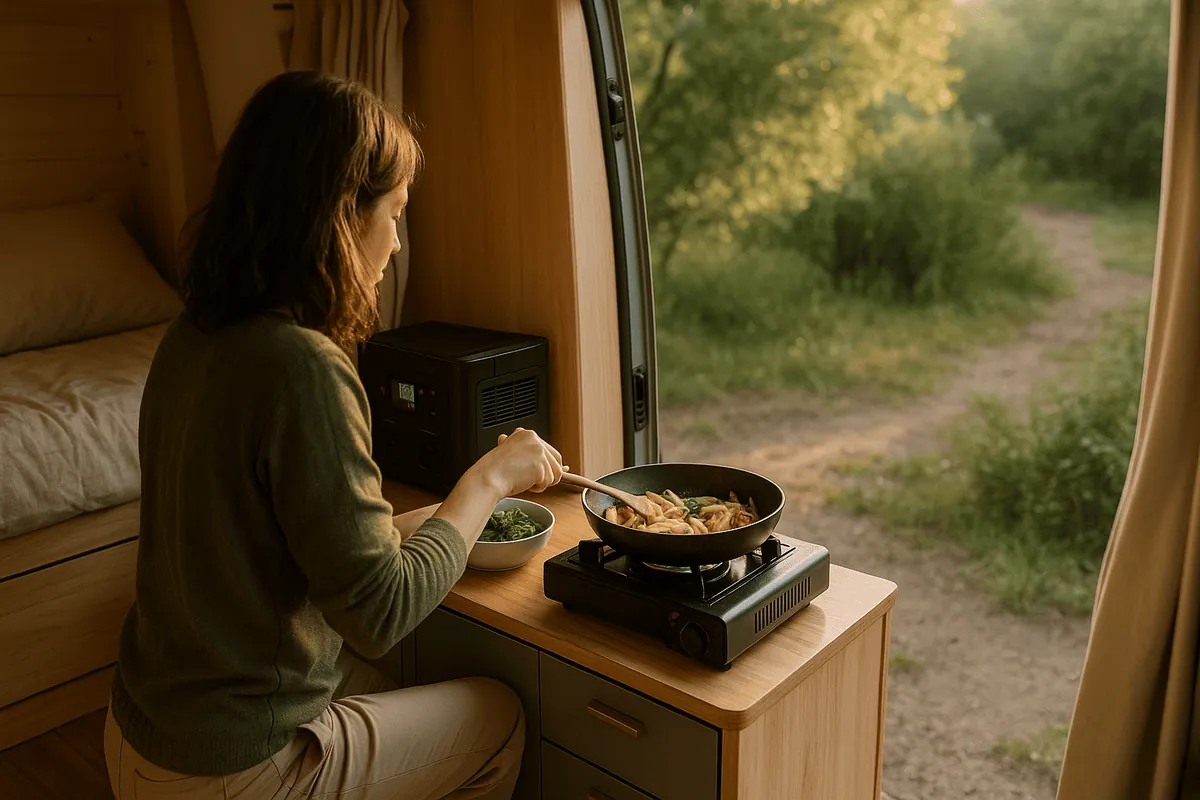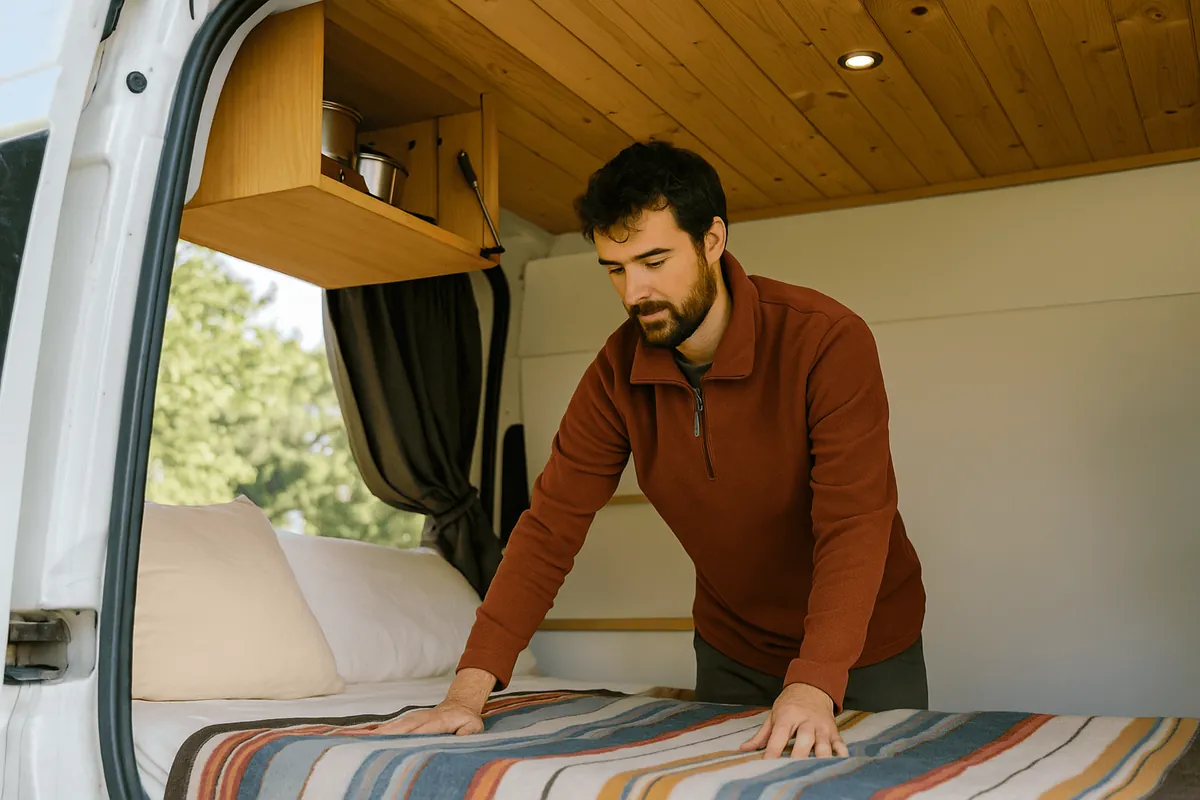
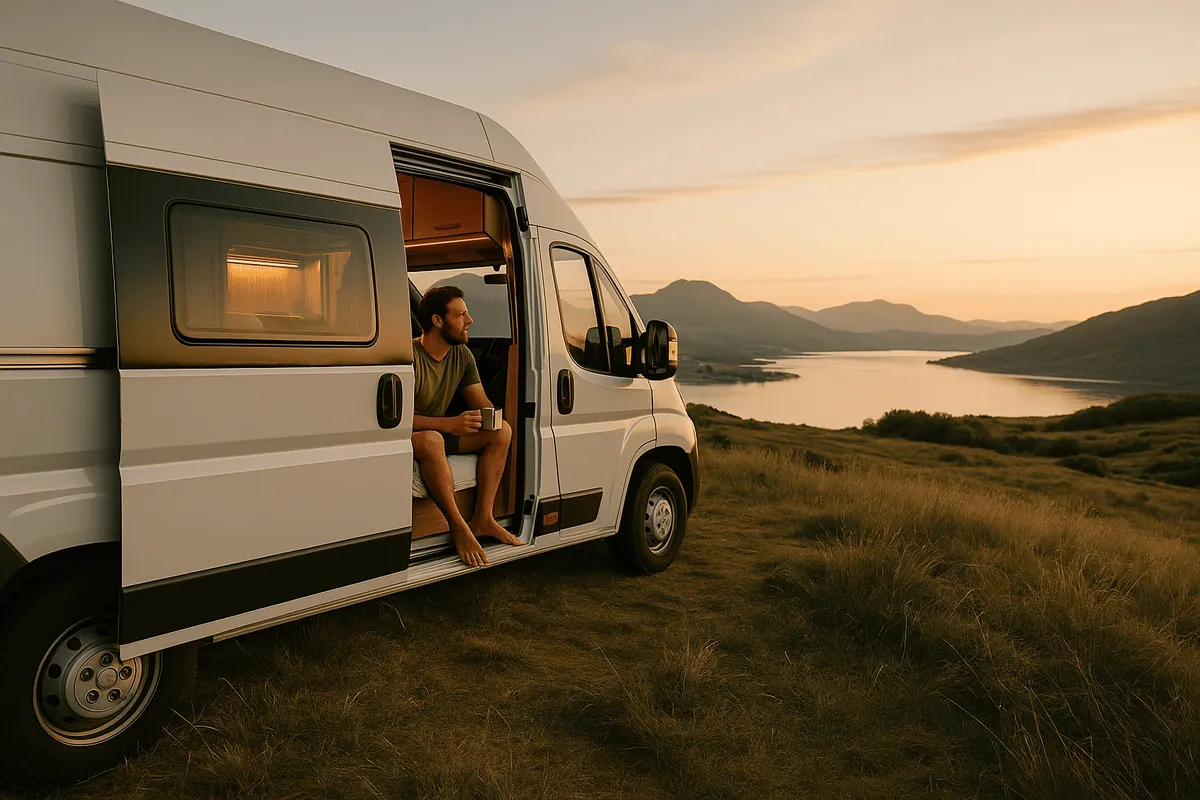
You've got a few free days, the motorhome ready, and that great feeling of being able to go wherever you fancy. That's exactly where the trouble starts: with so much to choose from, it can be hard to decide. Spain is one of Europe's best countries for motorhome travel because it packs so much into a few hours' drive: mountains, coast, charming villages and different gastronomy every couple of hundred kilometres. Here are several real routes to inspire you, with a sense of the stages and a few tips to genuinely enjoy them.
One piece of advice before you start: don't try to see everything. The most common mistake is stringing together long stages and ending up exhausted. Fewer kilometres and more time in each place is better.
The green north: Cantabria, Asturias and the Picos de Europa
If you're travelling in summer and escaping the heat, the north is the safe bet. A classic route links the Cantabrian coast (with stops like Santander, Santillana del Mar or the beaches of Liérganes) with the Picos de Europa, where the Fuente Dé cable car and the lakes of Covadonga are must-sees. It's an area with plenty of motorhome facilities, so sleeping close to nature is easy.
Practical tip: in the Picos there are stretches of narrow, steep road. Plan short stages and check your vehicle's width and height before tackling certain gorges.
The Aragonese and Catalan Pyrenees
For mountain lovers, the Pyrenees could fill weeks. Valleys like Ordesa, Benasque or La Cerdanya combine hiking routes with stone villages. In high season it's worth setting off early to park at the entrances to the natural parks, which restrict large vehicles in summer.
Andalusia: from Cabo de Gata to the Alpujarras
If you travel in spring or autumn (in the height of August the heat is too much), Andalusia is spectacular. Cabo de Gata, in Almería, is one of the Mediterranean's most beautiful landscapes, with nearly untouched coves. From there you can climb to the Alpujarras in Granada, with white villages perched on the slopes of the Sierra Nevada. Total contrast in a single trip.
The Vía de la Plata and inland Spain
Less crowded and very rewarding: the old Vía de la Plata links Gijón with Seville, crossing Castilla y León and Extremadura. Cities like Cáceres, Mérida or Salamanca, World Heritage Sites, with reasonably priced overnight areas and none of the crowds on the coast.
Galicia and the Atlantic coast
The Rías Baixas, the Costa da Morte and a final stage in Finisterre. Galicia means seafood, huge beaches like those of the Cíes Islands (with regulated access) and a cool climate even in summer. Pack warm clothes even in July: the Atlantic doesn't give warning.
How to plan your stages without stress
Beyond the destination, what makes a good route is how you organise it:
- A maximum of 2-3 hours of driving a day. In a motorhome you go slowly and enjoy it, not race against the clock.
- Book motorhome areas in high season. In August, many tourist areas fill up; arriving mid-afternoon with no plan is asking for trouble.
- Note where to fill up on water and empty tanks. We cover this in detail in what to bring in your motorhome.
- Know exactly where you can sleep. Overnight parking isn't the same as camping; we explain it in overnight areas and what the law says.
In summary
Spain lets you change scenery radically within a few hours, so the best route is the one that fits the season and your own pace: the north in summer, the south in spring or autumn, the interior to escape the crowds. The step to take today: pick a single area for your next getaway, mark out three or four stops and leave some gaps free; the best moments of a motorhome trip were almost never in the plan.