
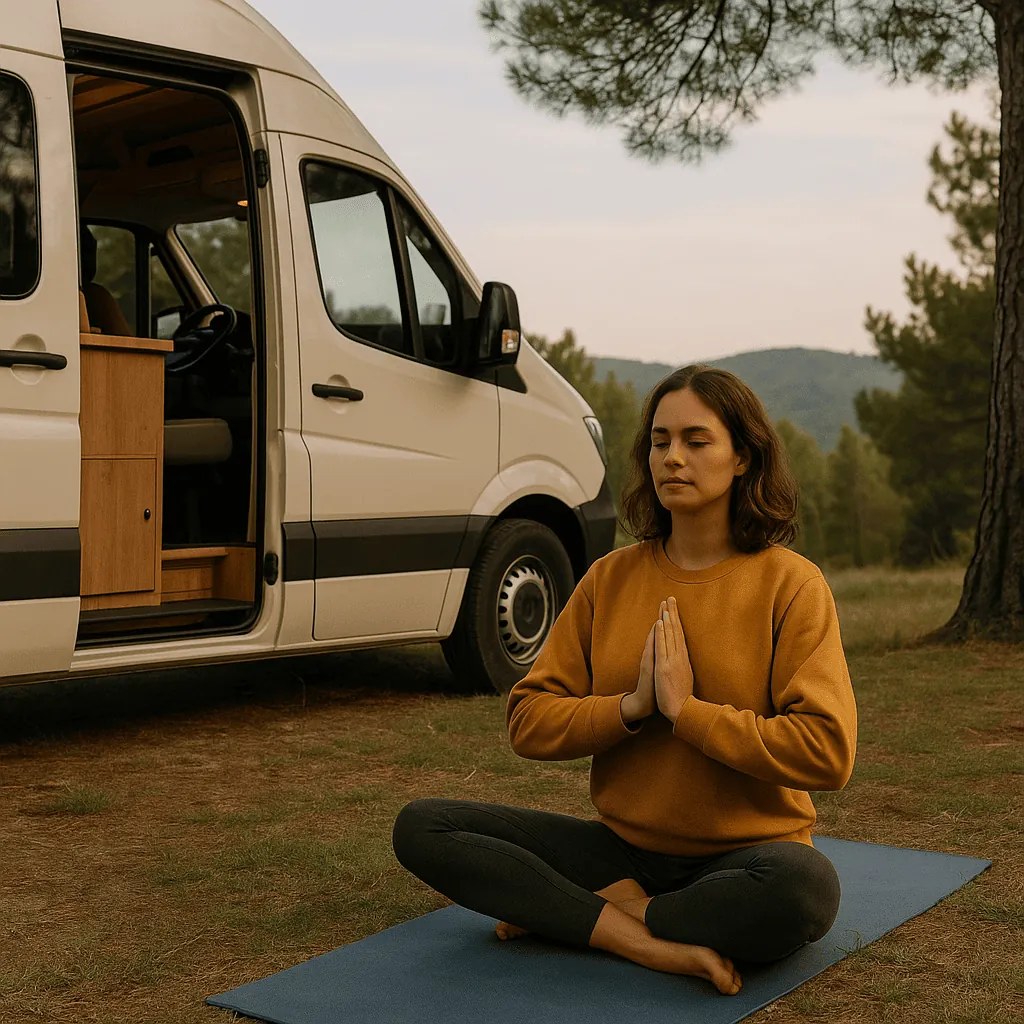
"Doesn't a motorhome pollute a lot?" It's a fair question, and it deserves an honest answer, without falling into either eco-posturing or guilt. A camper has an impact, like anything, but the full picture is more nuanced than it seems, and there are real ways to reduce its footprint. Let's look at it honestly.
The real impact: nuance matters
It's true that a motorhome uses more fuel than a car because of its weight and aerodynamics, and that weighs on its footprint. But there are important nuances rarely mentioned:
- It's accommodation and transport in one: you're not adding flights plus a hotel plus a rental car. A camper trip combines travel and sleeping in a single vehicle.
- Compared with flying: for many destinations, a well-planned camper trip can have a smaller footprint than flying plus a hotel, especially if you don't drive too many kilometres.
- Conscious consumption: camper life, out of necessity, makes you use less water and energy and consume more sparingly than at home.
It's not automatically "green", but it's not the villain it's sometimes painted as either. It depends a lot on how you travel.
How to genuinely reduce your footprint
- Travel slowly and cover fewer kilometres: the number one factor. Stay longer in each area instead of rushing; you save a lot of fuel (and enjoy it more).
- Drive efficiently: smoothly, at a moderate speed; it cuts consumption a lot.
- Clean energy: invest in solar and a good battery to rely less on the generator and cut gas use (use the calculator).
- Reduce, sort and recycle (see waste and plastics).
- Respect the places you visit: leaving no trace is part of sustainability.
End-of-life matters too
Sustainability includes what happens to equipment once it's worn out. With batteries, for example, choosing technologies with refurbishment and recycling programmes at end of life reduces the impact compared with throwing them away. Thinking about the whole cycle, not just the use phase, is part of travelling more responsibly.
In summary
A motorhome has an impact (it uses fuel), but it combines transport and accommodation and encourages sparing consumption, so its footprint depends a lot on how you travel. The step you can take today: the biggest change comes from travelling slowly and covering fewer kilometres, driving efficiently and investing in clean energy (solar and a good battery); that's how you genuinely cut your footprint without giving anything up. Combine it with sustainable camper travel.