Caravan and motorhome sound almost identical, and plenty of people mix them up, but travelling with one or the other is quite a different experience. Before deciding which to buy (or rent), it's worth understanding what really sets them apart, because the choice affects everything from how you drive to how much you pay. Let's compare them straight up.
The basic difference
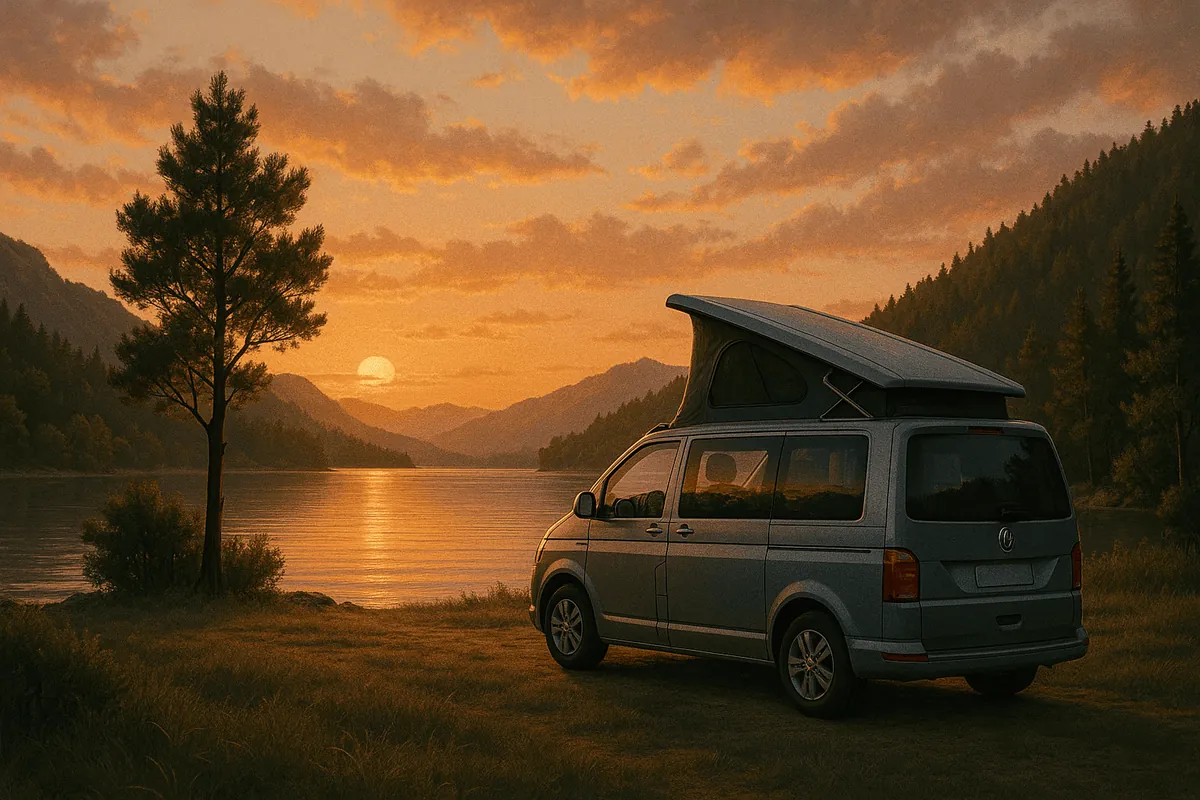
A motorhome is a motorised vehicle: the driving area and the living area are one single unit, you drive and live in the same place. A caravan has no engine: it's a towed living trailer that you hitch to a car to travel and unhitch on arrival.
Advantages of a caravan
- Cheaper: both to buy and to maintain, since it has no engine of its own.
- You're free of "the camp": once set up, you unhitch the car and get around the area without packing everything up.
- Plenty of space for the price.
Downsides: you need a car capable of towing it, driving with a trailer has its own technique (manoeuvring and parking are trickier), and for heavier weights you may need a specific towing licence category.
Advantages of a motorhome
- Comfort and easy movement: ideal for routes that change location every day, with no hitching involved.
- Easier to drive than a car-plus-caravan combination, and self-contained.
- All-in-one, ready to set off and stop wherever you like.
Downsides: more expensive, and once you're set up and want to get around the area, you move the whole "house" (unless you bring bikes or a moped).
Who is each one for?
- Caravan: if you tend to go to one destination and stay several days (a fixed campsite), then explore by car. And if budget calls the shots.
- Motorhome: if you love itinerant routes, changing location often, and maximum freedom of movement.
And if you're torn between motorhome, camper or van, differences between camper, motorhome and van can help.
What they have in common
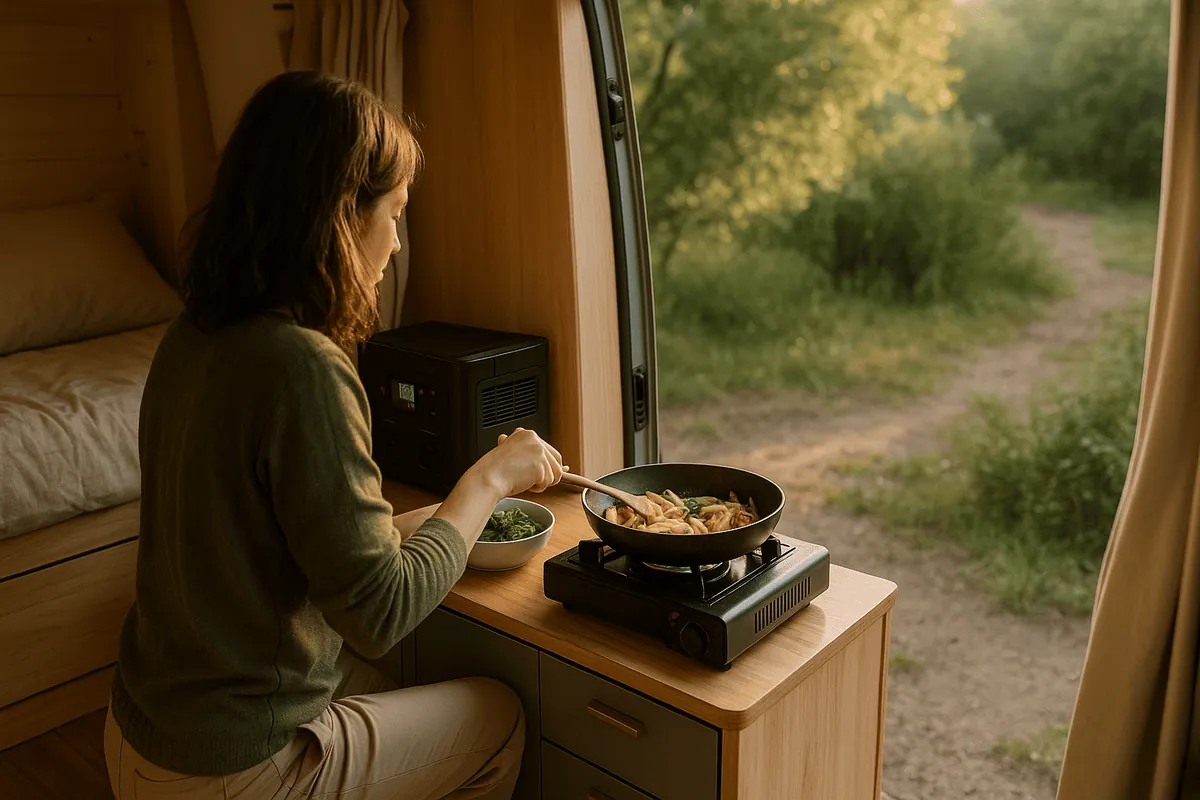
Both need a good electrical and water system to be self-sufficient: fridge, lighting and charging devices without relying on a mains socket. It's where a well-equipped vehicle really shows; work out what you need in how much battery you need.
In summary
A caravan is an engine-free trailer, cheaper and ideal for fixed stays with a car; a motorhome is self-contained and perfect for itinerant routes, at a higher price. The step you can take today: think about whether your style is "stay in one place and explore" (caravan) or "move on every few days" (motorhome); that answer decides almost everything on its own.