
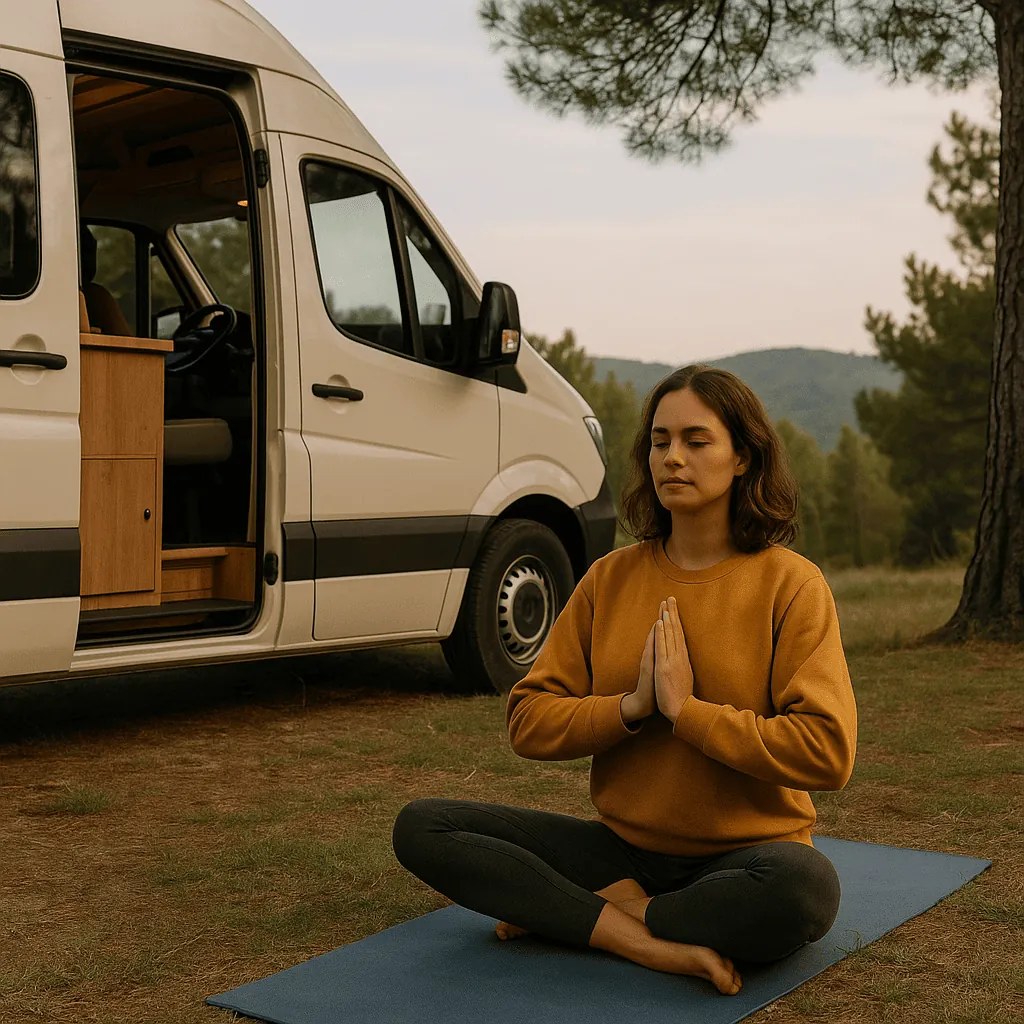
Travelling by motorhome within the EU is very straightforward: you cross borders almost without noticing. But as soon as you leave the European area (to Morocco, the non-EU Balkans, the UK, and so on), the rules change: customs, procedures and paperwork appear that are worth preparing properly. Here's the essentials for crossing borders outside the EU without any nasty surprises. (Always check the current requirements for each country.)
Key documentation
- A valid passport (a national ID card isn't enough outside the EU) and, depending on the country, a visa.
- Vehicle documents: registration certificate, technical specifications and a valid roadworthiness certificate.
- Insurance with international cover: your usual policy may not cover you outside the EU; you may need an extension or a Green Card, or to take out local insurance at the border. Check this (see insurance).
- Driving licence: an international driving permit may be required alongside your own.
- Pets: stricter requirements apply (see travelling abroad with a dog).
[Note: specific documentation, visa and insurance requirements for each non-EU country on your route vary — check your local regulations.]
Temporary importation of the vehicle
When entering many non-EU countries with your camper, a temporary importation of the vehicle is carried out: it's recorded that you've brought it in, and you commit to taking it out again within a set period. This is usually noted in your passport or on a separate document. It matters: if you don't take the vehicle out within the deadline, you can face serious problems (fines, being unable to leave). Check the procedure for each country.
What to declare and what not to bring
- Goods limits: there are restrictions on bringing in certain products (food, alcohol, tobacco, large quantities of medication); check the limits.
- Valuables and electronics: sometimes it's worth declaring them or carrying receipts.
- Drones, certain devices: banned or regulated in some countries.
- Nothing illegal, obviously, and be careful with anything local rules might consider sensitive.
Tips for a stress-free crossing
- Keep all your paperwork organised, with copies (both physical and digital).
- Be patient and polite at border crossings; they can be slow.
- Check ahead with official sources and traveller communities who've done that route.
- Some local cash for border fees (see money abroad).
In summary
Crossing borders outside the EU in a camper means preparing a passport (and visas), vehicle paperwork, insurance with international cover and, often, a temporary vehicle importation that you must respect. The step to take today: if you're planning to leave the EU, check the documentation, insurance and temporary importation requirements for each country in advance with official sources, and keep everything organised with copies; you'll cross without any nasty surprises. Pair it with travel documentation.